
Artificial intelligence is rapidly transforming how mobile applications function. Businesses today are increasingly integrating AI features into mobile apps to create smarter, more personalized, and more efficient digital experiences for users.
Mobile apps are no longer just tools for basic functionality. With AI technologies such as machine learning, predictive analytics, and natural language processing, applications can now understand user behavior, automate processes, and deliver personalized interactions.
For businesses looking to stay competitive in the digital landscape, integrating AI features into mobile apps is becoming an essential strategy.
In our previous article “Why You Should Consider Building Mobile App for Your Business,” we discussed how mobile apps help companies improve customer engagement and build stronger relationships with their users. AI takes these benefits even further by making apps more intelligent and responsive.
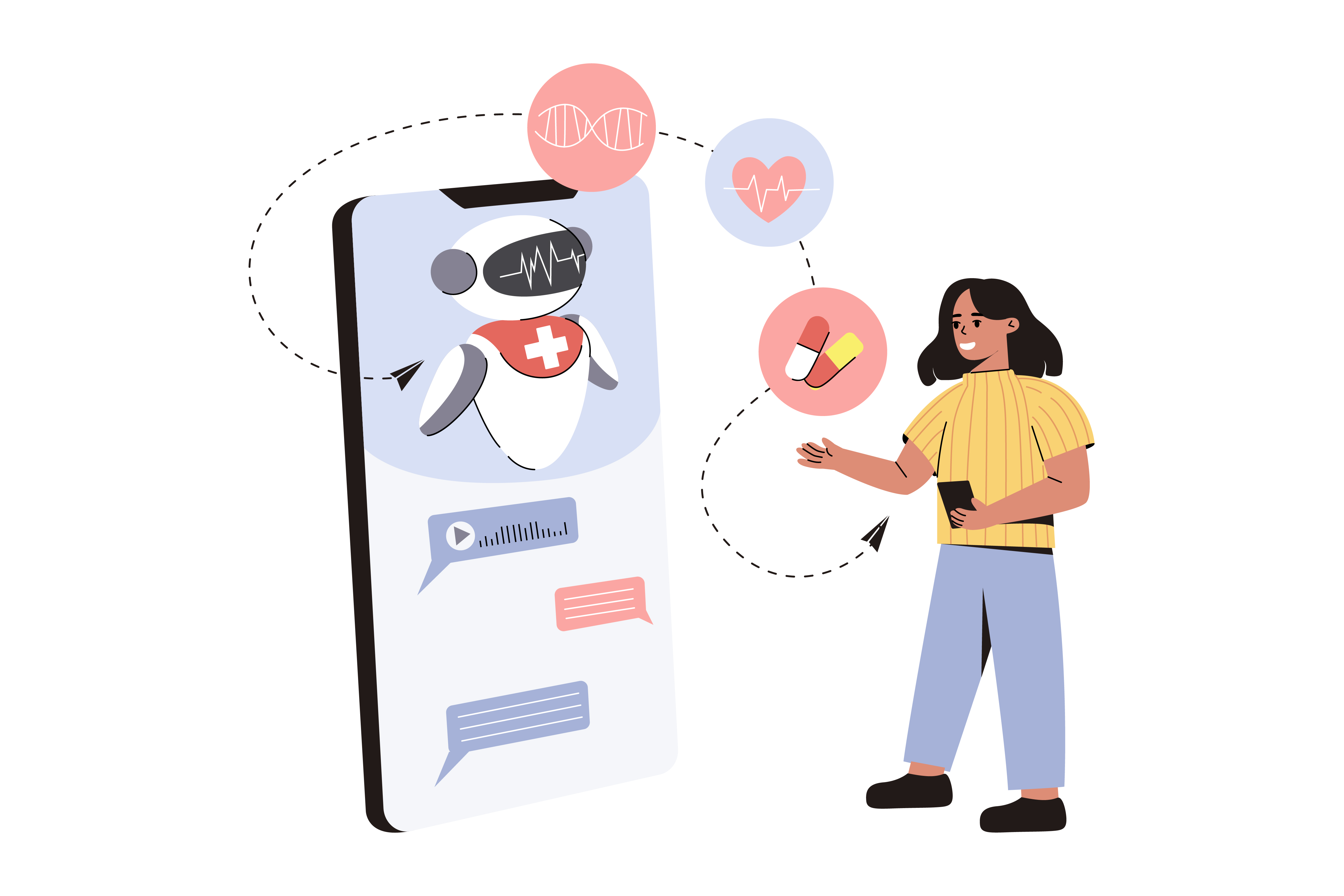
Today’s users expect mobile apps to be intuitive, fast, and personalized. AI technologies help businesses meet these expectations by analyzing user behavior and adapting app functionality accordingly.
Companies that integrate AI into their digital products often gain a competitive advantage because their applications provide more relevant and efficient user experiences.
AI-powered apps can also support broader digital transformation initiatives, as discussed in our article “The Role of Digital Transformation in Shaping Business Sustainability.”
Here are several AI features that businesses should consider when developing modern mobile applications.
AI chatbots allow mobile apps to provide instant customer support. Instead of waiting for human assistance, users can interact with chatbots to ask questions, receive recommendations, or resolve issues quickly.
This feature is particularly useful for e-commerce, healthcare, and service-based applications.
AI algorithms can analyze user behavior, preferences, and previous interactions to provide personalized recommendations.
For example, streaming apps recommend content based on viewing history, while e-commerce apps suggest products based on browsing patterns.
Personalization improves user engagement and increases the likelihood of conversions.
Voice recognition technology enables users to interact with mobile apps using voice commands.
This feature is widely used in virtual assistants, navigation apps, and smart home applications. Voice interfaces provide a more convenient and accessible user experience.
AI-powered predictive analytics allows apps to anticipate user behavior based on historical data.
For example, ride-sharing apps predict demand in certain locations, while financial apps analyze spending patterns to provide insights and recommendations.
Predictive analytics helps businesses make smarter decisions while enhancing user experience.
AI-powered image recognition enables mobile apps to identify objects, faces, or text within images.
This technology is widely used in security applications, payment verification, and retail solutions such as visual product search.
As artificial intelligence technology continues to evolve, mobile apps will become even more intelligent and adaptive.
Future AI-powered apps may include advanced conversational interfaces, deeper personalization capabilities, and improved predictive insights.
Businesses that invest in AI-driven mobile app development today will be better prepared to meet future user expectations.
Artificial intelligence is transforming the way mobile applications function. By integrating AI features such as chatbots, personalization, predictive analytics, and voice recognition, businesses can create more engaging and efficient digital experiences.
Companies that embrace AI-powered mobile apps will gain a significant advantage in an increasingly digital and competitive market.
Lorem ipsum dolor sit amet, consectetur adipiscing elit, sed do eiusmod tempor incididunt ut labore et dolore magna aliqua. Ut enim ad minim veniam, quis nostrud exercitation ullamco laboris nisi ut aliquip ex ea commodo consequat. Duis aute irure dolor in reprehenderit in voluptate velit esse cillum dolore eu fugiat nulla pariatur.
Block quote
Ordered list
Unordered list
Bold text
Emphasis
Superscript
Subscript
.png)





.svg)


