
When we first became responsible for our company’s security, we were still relying on traditional tools like firewalls, antivirus, and manual patching. It worked fine until it didn’t. As we adopted more cloud services and began building AI driven features into our internal systems, we started noticing real warning signs. Alerts appeared without clear explanations. Anomaly logs spiked unexpectedly. Threat patterns emerged that our legacy tools simply could not interpret.
That was when we realized we needed more than a traditional cybersecurity stack. We needed an enterprise AI cybersecurity platform.
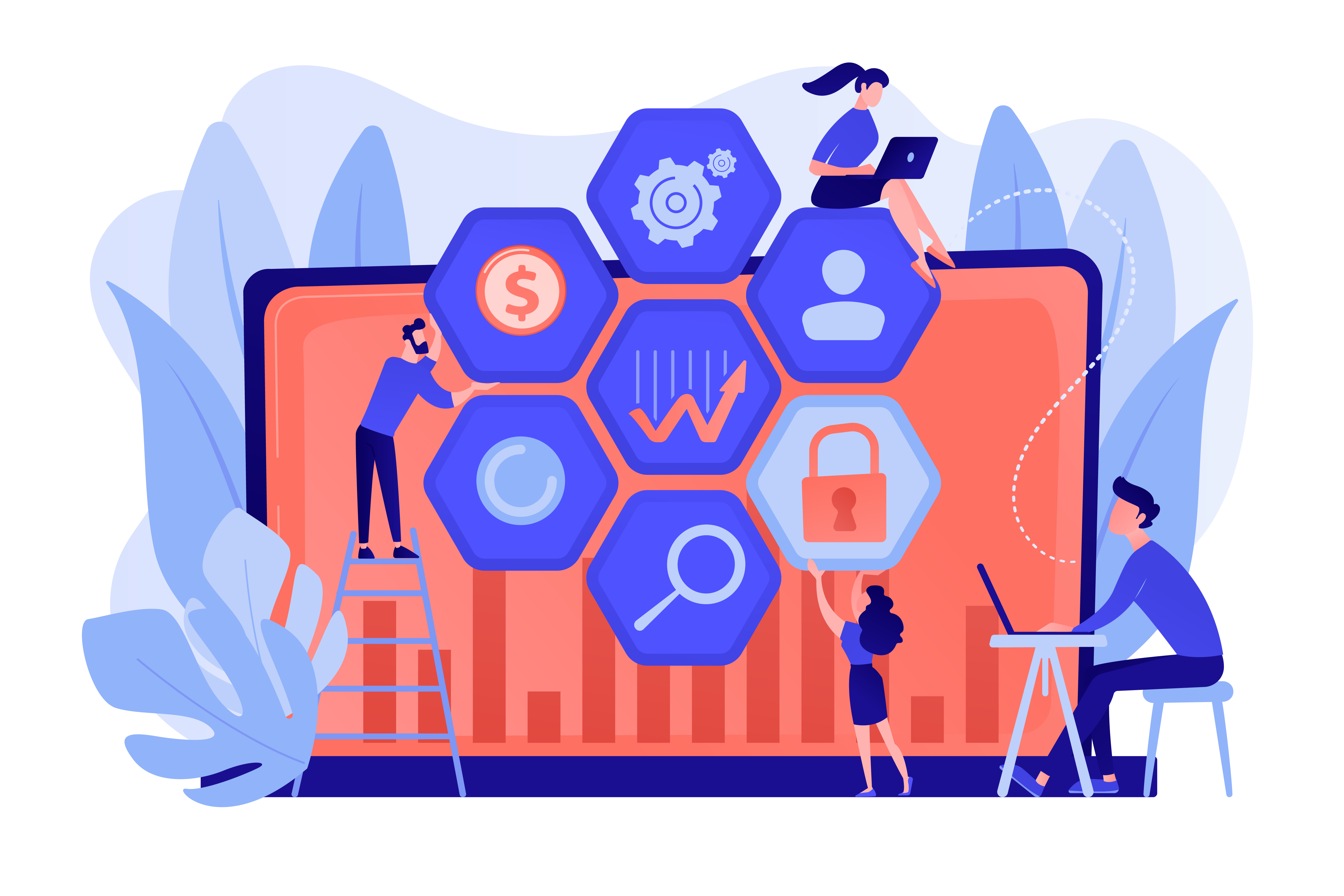
Looking ahead to 2026, this type of solution is no longer optional for serious businesses. AI cybersecurity solutions are becoming the foundation of enterprise defense because modern threats behave like adaptive adversaries. They move fast, hide intelligently, and evolve continuously.
AI has reshaped both offense and defense. Attackers now use intelligent automation to generate highly convincing phishing campaigns, probe infrastructure at scale, and evade static detection rules. Meanwhile, defenders can use machine learning models to recognize subtle behavioral patterns, correlate signals across environments, and automate response workflows at machine speed.
Modern enterprise cybersecurity software platforms analyze live behavioral data across endpoints, cloud workloads, networks, and user identities. This enables high accuracy detection of suspicious activity before it becomes a full breach. Platforms such as CrowdStrike Falcon and Darktrace demonstrate how machine learning can identify threats far faster than manual monitoring or signature based systems.
This shift means organizations without AI driven detection capabilities operate at a disadvantage. Instead of teams drowning in alert noise, properly configured platforms reduce fatigue by prioritizing high risk incidents and automating lower level responses.
By 2026, enterprise infrastructure has become far more complex than it was only a few years ago. Multicloud deployments, remote workforces, hybrid systems, APIs, and connected services expand the attack surface dramatically. Traditional vulnerability scanning alone cannot keep up with automated threat activity.
AI threat detection for enterprises analyzes massive streams of behavioral data in real time, identifying anomalies that signal early stage attacks. These systems also learn continuously, improving accuracy as environments evolve.
Another emerging risk is shadow AI usage inside organizations. Employees often experiment with external generative tools without formal governance, increasing the risk of data leakage and compliance exposure. Without visibility and monitoring, these risks remain invisible until damage occurs.
AI driven cybersecurity platforms help organizations detect and control these blind spots before they escalate into regulatory or reputational issues.
The best AI cybersecurity platforms for enterprises deliver capabilities that extend far beyond traditional protection tools:
Platforms such as CrowdStrike Falcon and SentinelOne Singularity illustrate how intelligent automation shortens the time between detection and remediation while improving accuracy and operational efficiency.
Technology alone does not guarantee security success. Implementing enterprise AI cybersecurity platforms requires alignment across infrastructure architecture, development practices, operational workflows, and long term growth plans.
This is where working with an experienced technology partner becomes critical.
At Dihardja Software, we have seen how security gaps emerge when AI systems, applications, and infrastructure are built in isolation. Whether developing secure enterprise applications, designing intelligent platforms, or strengthening cybersecurity foundations, architecture decisions directly influence how effective security tools perform. Cybersecurity must be embedded into product and platform design from the beginning, not added later as a reactive measure.
If you are strengthening your fundamentals around data protection and access control, our guide on How to Secure Your Business Data Online provides practical steps that complement AI powered security strategies.
Moving into 2026, an enterprise AI cybersecurity platform does not replace your security team. It amplifies it. It reduces operational noise, improves response confidence, and protects digital growth in ways traditional tools cannot achieve.
With the right technology foundation and a trusted partner supporting implementation, cybersecurity becomes a strategic advantage rather than a constant operational concern.
Lorem ipsum dolor sit amet, consectetur adipiscing elit, sed do eiusmod tempor incididunt ut labore et dolore magna aliqua. Ut enim ad minim veniam, quis nostrud exercitation ullamco laboris nisi ut aliquip ex ea commodo consequat. Duis aute irure dolor in reprehenderit in voluptate velit esse cillum dolore eu fugiat nulla pariatur.
Block quote
Ordered list
Unordered list
Bold text
Emphasis
Superscript
Subscript
.png)





.svg)


